My Addresses
+ Add AddressNo saved addresses found.
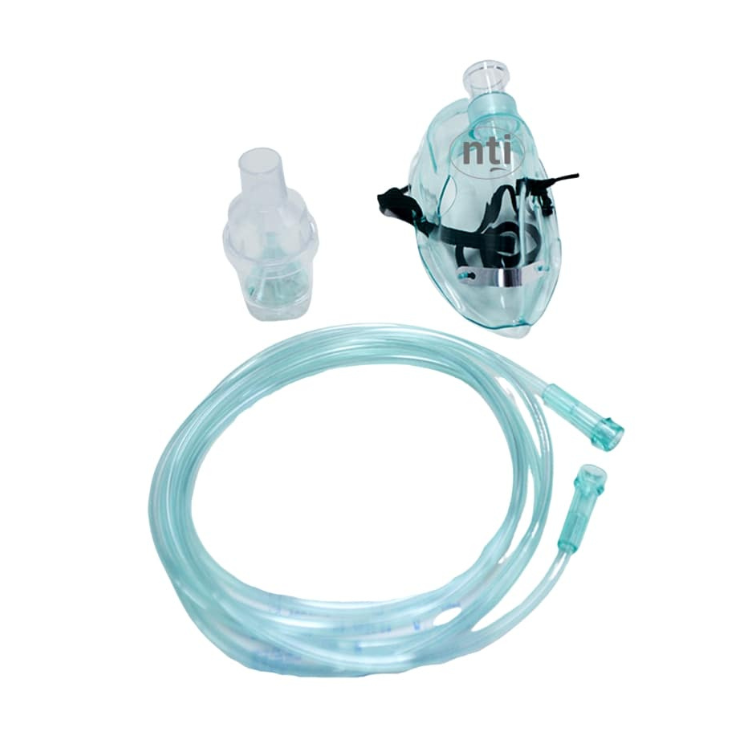
A nebulizer mask is a critical component of respiratory therapy, acting as the interface between a nebulizer machine and the patient. Its primary function is to deliver liquid medication in the form of a fine mist directly into the lungs. Choosing the correct mask size and understanding its features is essential for ensuring that the patient receives the full therapeutic dose of their medication, whether they are an infant, a child, or an adult.
Unlike a mouthpiece, which requires the patient to seal their lips and breathe through their mouth, a nebulizer mask covers both the nose and the mouth. This design is particularly beneficial for patients who are unable to coordinate their breathing or for those who find mouth-only breathing uncomfortable.
The mask is typically made from clear, medical-grade PVC or silicone. This transparency allows caregivers and healthcare providers to monitor the patient’s face and ensure the mist is being inhaled properly.
Pediatric nebulizer masks are specifically engineered to accommodate the smaller facial structures of children. Effective delivery in children can be challenging due to smaller tidal volumes (the amount of air moved in and out of the lungs) and higher respiratory rates.
Contoured Fit: These masks are smaller and shaped to fit a child's chin and nose bridge tightly. A proper seal is vital; even a 1-centimeter gap between the mask and the face can reduce the amount of medication reaching the lungs by up to 50%.
Soft Materials: To prevent skin irritation on sensitive young faces, pediatric masks often feature rounded, feathered edges.
Visual Engagement: Many child-specific masks come in "character" shapes (like dragons, elephants, or fish) or bright colors. This helps reduce "mask anxiety," making the child more cooperative during the 10–15 minute treatment session.
Elastic Headstraps: Adjustable straps ensure the mask stays in place even if the child moves, which is common during therapy.
Children, especially those under the age of five, often lack the coordination to use a mouthpiece correctly. Mouthpieces require a "tight seal" and "deep, slow breaths"—tasks that can be difficult for a distressed or crying toddler. A mask allows the child to breathe naturally through both their nose and mouth.
Adult masks are designed for mature facial features and larger lung capacities. While many adults prefer mouthpieces for high-efficiency delivery, masks remain the preferred choice for those with chronic conditions or those who require a more relaxed delivery method.
Key Features for Adult Use
Anatomic Shaping: Adult masks are elongated to provide a comfortable fit from the bridge of the nose to the bottom of the chin.
Aluminum Nose Clips: Most adult masks include a flexible metal clip at the nose bridge. This allows the user to "pinch" the mask into place, preventing the mist from escaping toward the eyes, which can cause irritation.
A mask is often recommended for adults who:
Are experiencing a severe asthma flare-up and find it difficult to hold a mouthpiece.
Have neuromuscular disorders that affect facial muscle control.
Are elderly and may find mouth-breathing for 15 minutes fatiguing.
Need to receive oxygen therapy simultaneously with their nebulized medication.
To ensure the longevity of the mask and the health of the user, follow these hygiene protocols:
Cleaning: After every use, rinse the mask with warm, soapy water. Avoid boiling the mask unless the manufacturer specifically states it is "autoclavable," as high heat can warp the PVC and ruin the seal.
Disinfecting: Once a week, soak the mask in a solution of one part white vinegar to three parts distilled water for 30 minutes, then air dry.
Replacement: Masks are considered "disposable" or "short-term use" items. Over time, the plastic can become stiff or cloudy. It is recommended to replace the mask every 3 to 6 months, depending on the frequency of use.
The "Blow-By" Warning: For children, "blow-by" (holding the mask near the face rather than on it) is significantly less effective. Always strive for a direct fit for maximum clinical benefit.
Whether for a child or an adult, the goal of nebulizer therapy is the same: getting the medication where it’s needed most. By choosing a mask that fits comfortably and maintains a tight seal, patients can manage their respiratory health with confidence and ease.
No reviews yet. Be the first to review!
Your cart is empty

.png)
.png)
.png)
.png)
.png)
 Upload Prescription
 Prescription Medicine
 Food & Nutrition
 Diabetic Care
 Diapers
 Dental Care
 Home Care
 OTC Medicine
 Healthcare Device
 Sexual Wellness
 Mother and Baby
 Herbal
 Personal Care
 Surgical

.png)
.png)