My Addresses
+ Add AddressNo saved addresses found.
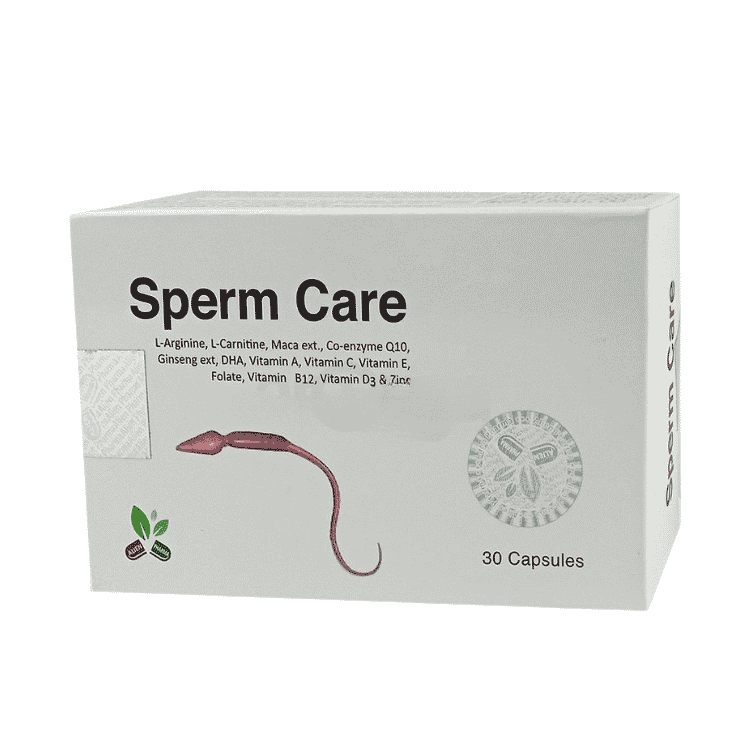
Sperm health is a critical component of male fertility and overall reproductive wellness. While often discussed in the context of family planning, the physiological quality of sperm serves as a valuable biological marker for general systemic health. Optimizing sperm parameters requires a multi-faceted approach involving thermal regulation, nutritional biochemistry, and lifestyle modifications.
To effectively care for sperm, it is first necessary to understand the metrics used to evaluate its quality. A standard semen analysis evaluates several key factors based on guidelines established by the World Health Organization (WHO):
Total Sperm Number: The absolute count of sperm in the entire ejaculate, ideally 3.9 \times 10^7 cells.
Motility: The percentage of sperm capable of movement. At least 40 should exhibit total motility, and 32 should demonstrate progressive motility (moving in a straight line or large circles).
Morphology: The structural shape of the sperm cells. A healthy sample requires 4 of the sperm to possess a normal, standardized shape (oval head and intact tail).
Semen pH: The acidity of the sample, which should be slightly alkaline, typically 7.2.
One of the most critical and easily managed aspects of sperm care is temperature control. Human spermatogenesis is highly sensitive to heat and requires an environment that is approximately 2 to 4 cooler than the core body temperature of 37. The optimal range for sperm production sits between 33 and 35.
Elevated scrotal temperatures induce heat stress, leading to cellular apoptosis (programmed cell death) and increased DNA fragmentation in mature sperm. To mitigate this:
Avoid Prolonged Heat Exposure: Limit the use of hot tubs, saunas, and steam rooms.
Ergonomics and Posture: Avoid resting laptop computers directly on the lap, as the heat generated by the device's internal components can elevate scrotal temperature.
Clothing Choices: Opt for loose-fitting underwear (such as boxers) and breathable fabrics to facilitate heat dissipation.
Sedentary Habits: Break up long periods of sitting, particularly during long-distance driving or office work, by standing and walking to promote local air circulation.
Sperm cells are highly susceptible to oxidative stress due to the high concentration of polyunsaturated fatty acids in their cell membranes. Antioxidants play a vital role in neutralizing reactive oxygen species (ROS) that would otherwise compromise sperm membrane integrity and damage paternal DNA.
Integrating specific micronutrients can support spermatogenesis:
Zinc: An essential mineral highly concentrated in seminal fluid. Zinc contributes to testosterone synthesis, sperm maturation, and stabilizing sperm chromatin.
Selenium: A trace element necessary for the structural integrity of the sperm tail. It is a core component of selenoproteins that protect sperm from oxidative damage.
Coenzyme Q10 (CoQ10): Located within the mitochondria of the sperm midpiece, CoQ10 acts as an electron carrier in the respiratory chain, directly supporting cellular energy production and progressive motility.
Vitamins C and E: Synergistic antioxidants that scavenge free radicals in both lipid and aqueous environments, preserving membrane fluidity.
L-Carnitine: An amino acid derivative that facilitates the transport of long-chain fatty acids into mitochondrial matrices, fueling the metabolic processes required for sperm movement.
Systemic health directly translates to sperm quality. Incorporating healthy behavioral patterns into a daily routine supports hormonal balance and healthy cellular division.
Circadian Rhythms and Sleep: Adequate sleep (7 to 8 per night) is vital for endocrine regulation. Testosterone production peaks during deep, uninterrupted sleep cycles.
Physical Activity: Regular, moderate exercise (such as resistance training or aerobic activity) improves metabolic health and raises baseline testosterone. However, excessive endurance training or high-intensity cycling can cause mechanical friction and heat buildup, which may temporarily lower parameters.
Avoiding Xenobiotics and Toxins: Eliminate nicotine and limit alcohol consumption, both of which are directly toxic to Leydig and Sertoli cells in the testes. Minimize exposure to endocrine-disrupting chemicals (EDCs) such as phthalates and bisphenol A (BPA) found in certain plastics and industrial materials.
When implementing a sperm care regimen, patience is biologically required. The process of generating a new sperm cell—from an initial spermatogonium to a mature spermatozoon—takes approximately 74 days. Once produced, sperm take an additional 10 to 14 days to transit and mature within the epididymis.
Consequently, any lifestyle, thermal, or nutritional interventions initiated today will take approximately 3 months (or 90 days) to manifest as measurable improvements in a semen analysis. Consistency throughout this cycle is paramount to achieving optimal reproductive health.
No reviews yet. Be the first to review!
Your cart is empty

.png)
.png)
.png)
.png)
.png)
 Upload Prescription
 Prescription Medicine
 Food & Nutrition
 Diabetic Care
 Diapers
 Dental Care
 Home Care
 OTC Medicine
 Healthcare Device
 Sexual Wellness
 Mother and Baby
 Herbal
 Personal Care
 Surgical

.png)
.png)