My Addresses
+ Add AddressNo saved addresses found.
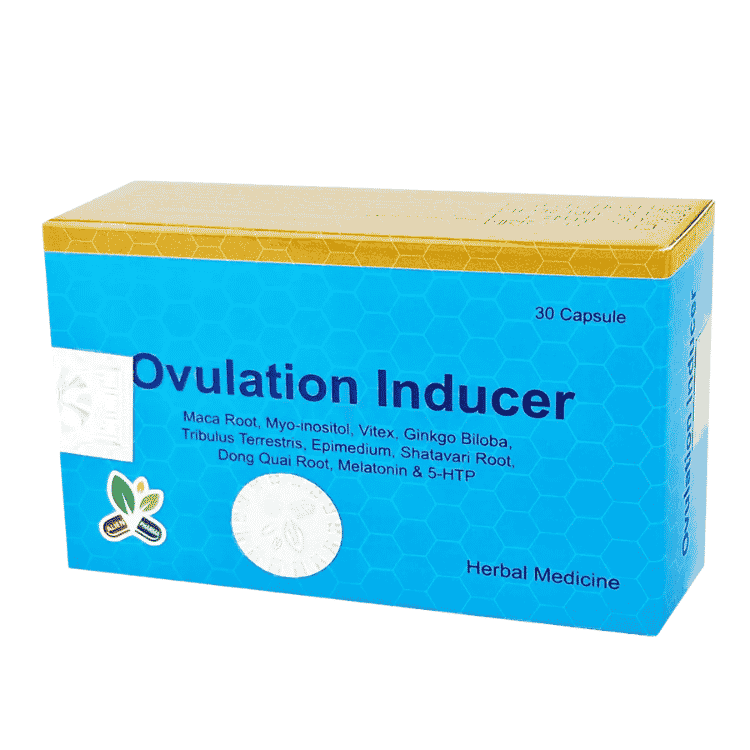
An ovulation inducer is a type of fertility medication or supplement used to stimulate the release of eggs from the ovaries in women who experience ovulation problems or infertility. Ovulation is an essential part of the reproductive process because pregnancy can only occur when a mature egg is released and fertilized by sperm. Women who do not ovulate regularly, or who fail to ovulate altogether, may have difficulty becoming pregnant. Ovulation inducers are designed to help regulate or trigger ovulation and improve the chances of conception.
Ovulation induction therapy is commonly recommended for women with irregular menstrual cycles, polycystic ovary syndrome (PCOS), hormonal imbalance, or unexplained infertility. These treatments are often used under the supervision of fertility specialists or gynecologists as part of fertility management programs.
Ovulation inducers work by stimulating the hormones responsible for egg development and release. In a normal menstrual cycle, hormones produced by the brain and ovaries regulate ovulation. When hormonal imbalance occurs, the ovaries may fail to release mature eggs properly.
Ovulation-inducing medicines help increase the production of hormones such as follicle-stimulating hormone (FSH) and luteinizing hormone (LH), which are essential for follicle growth and ovulation. As the ovarian follicles mature, one or more eggs are released during ovulation, increasing the possibility of pregnancy.
Some ovulation inducers act directly on the ovaries, while others influence the hormonal signals between the brain and reproductive organs.
Several medications and supplements are commonly used to induce ovulation. These include:
Clomiphene Citrate
Clomiphene Citrate is one of the most widely prescribed ovulation-inducing medicines. It works by stimulating hormone production in the brain, which encourages the ovaries to release eggs. It is often the first-line treatment for women with irregular ovulation or PCOS.
Letrozole
Letrozole is another commonly used medication for fertility treatment. It helps stimulate ovulation by lowering estrogen levels temporarily, causing the body to produce more follicle-stimulating hormone. Letrozole is increasingly preferred for women with PCOS due to its effectiveness and lower risk of multiple pregnancies.
Gonadotropins
Gonadotropins are injectable fertility hormones used in more advanced fertility treatments. These medications directly stimulate the ovaries to produce mature eggs. They are usually used when oral medications are unsuccessful.
Metformin
Metformin may be used in women with PCOS who have insulin resistance. Improving insulin sensitivity can help restore regular ovulation in some patients.
Fertility Supplements
Certain nutritional supplements containing vitamins, antioxidants, amino acids, and herbal extracts may also support ovulation and reproductive health. These are often used alongside medical treatment.
Ovulation inducers are commonly used for:
Treating infertility caused by irregular ovulation
Managing polycystic ovary syndrome (PCOS)
Stimulating egg release for conception
Supporting assisted reproductive treatments
Regulating menstrual cycles
Improving fertility in women with hormonal imbalance
Enhancing pregnancy chances in couples trying to conceive
Doctors may also use ovulation induction in combination with intrauterine insemination (IUI) or other fertility procedures.
Ovulation inducers provide several important fertility benefits. One of the primary advantages is improved ovulation frequency and regularity. Women who previously had absent or irregular ovulation may begin releasing eggs consistently after treatment.
These treatments can significantly increase the likelihood of natural conception. For many women, ovulation induction represents a less invasive and more affordable fertility option before considering advanced procedures such as in vitro fertilization (IVF).
Ovulation inducers may also help improve hormonal balance, menstrual cycle regularity, and reproductive health. In women with PCOS, proper ovulation management can help reduce infertility-related complications.
Although ovulation inducers are generally effective, they may cause side effects in some individuals. Common side effects include:
Hot flashes
Mood changes
Headache
Breast tenderness
Nausea
Bloating
Pelvic discomfort
Fatigue
Injectable fertility hormones may increase the risk of ovarian hyperstimulation syndrome (OHSS), a condition in which the ovaries become swollen and painful. There is also a possibility of multiple pregnancies, such as twins or triplets, especially with certain fertility drugs.
Women undergoing ovulation induction should be carefully monitored by healthcare professionals to reduce complications.
Ovulation inducers should only be used under medical supervision. Before starting treatment, doctors may perform hormone testing, ultrasound examinations, and fertility evaluations to determine the underlying cause of infertility.
Women with liver disease, ovarian cysts unrelated to PCOS, abnormal vaginal bleeding, or certain hormone-sensitive conditions may require special caution.
Patients should follow the prescribed dosage carefully and attend regular monitoring appointments to assess ovarian response and reduce risks.
In addition to medication, healthy lifestyle habits can improve fertility outcomes during ovulation induction treatment. Important recommendations include:
Maintaining a healthy body weight
Eating a balanced diet
Managing stress levels
Exercising regularly
Avoiding smoking and alcohol
Getting adequate sleep
Combining medical treatment with healthy habits may improve reproductive health and increase pregnancy success rates.
Ovulation inducers are important fertility treatments designed to help women achieve regular ovulation and improve the chances of conception. Medications such as Clomiphene Citrate, Letrozole, and Gonadotropins are commonly used to stimulate egg release and support reproductive function. When used under proper medical guidance, ovulation induction therapy can be an effective solution for many women experiencing infertility or ovulation disorders.
No reviews yet. Be the first to review!
Your cart is empty

.png)
.png)
.png)
.png)
.png)
 Upload Prescription
 Prescription Medicine
 Food & Nutrition
 Diabetic Care
 Diapers
 Dental Care
 Home Care
 OTC Medicine
 Healthcare Device
 Sexual Wellness
 Mother and Baby
 Herbal
 Personal Care
 Surgical

.png)
.png)